Point Loma, San Diego: Neighborhood Guide
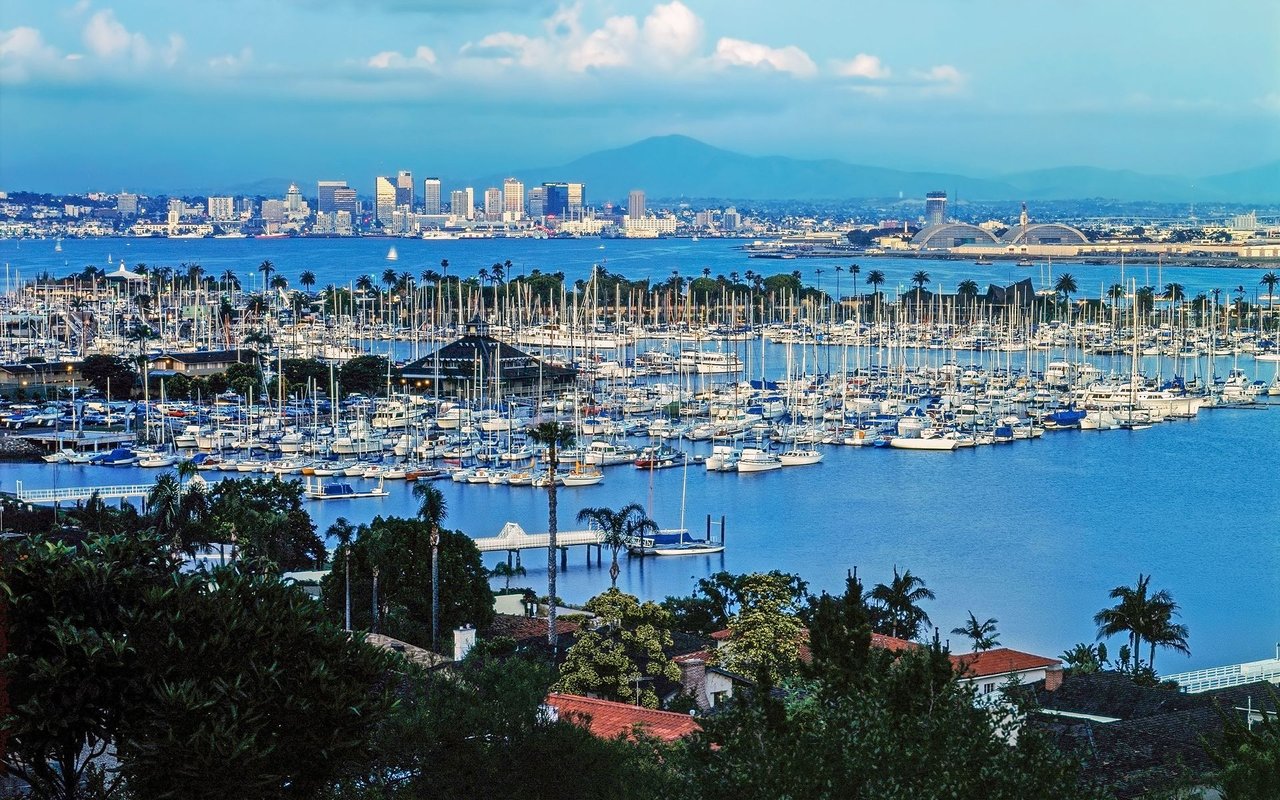
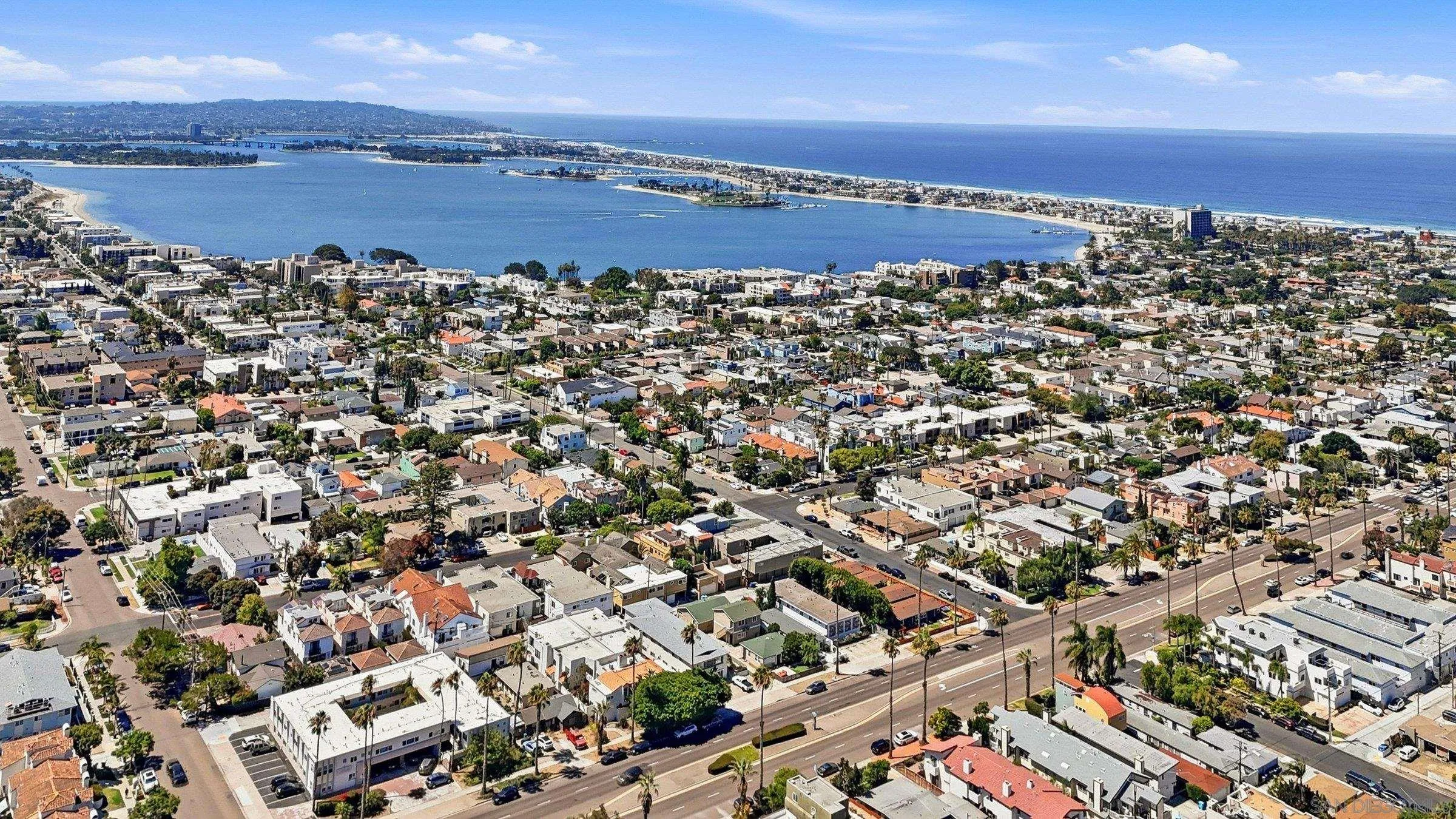
Point Loma is one of the most distinctive places to live in San Diego — a seven-mile peninsula set between the Pacific Ocean and San Diego Bay, where maritime history, harbor views, and quiet residential streets come together. If you're looking at homes for sale in Point Loma, understand this first: it's not one neighborhood. It's a collection of very different pockets, and no two of them are alike.
La Playa
La Playa is where San Diego began. From 1770 to 1870 this was the city's original port and anchorage — the "Old La Playa" landmark, where cargo was loaded onto small boats and hauled up what is now Rosecrans Street, still marks the spot. Today it's a bayfront residential neighborhood with some of the most expensive homes in San Diego: waterfront estates with private boat docks, shady tree-lined streets, and an eclectic mix of early-1900s Arts and Crafts homes, mid-century architecture, and new contemporary builds. The median single-family sale price sits around $3.3M — the highest on the peninsula — with the bayfront commanding the premium and 2-bedroom condos near $1.2M offering the entry point. Residents get Kellogg Beach, the Bessemer Path walking trail, a small village along Cañon Street, and two established yacht clubs — plus the rare Point Loma perk of not sitting under the airport flight path. Buyers here are paying for history, bay frontage, and seclusion.
The Wooded Area
The Wooded Area sits on the hilltop south of Talbot Street, on both sides of Catalina Boulevard, and it earns its name — mature eucalyptus and evergreen trees canopy streets that have no sidewalks and a semi-rural feel. The story behind the trees is a good one: in the 1830s Richard Henry Dana Jr. described this as a "well-wooded headland," but the hills were stripped bare by 1900, when Katherine Tingley's Lomaland Theosophical community planted the eucalyptus and avocado groves that define the area today. The housing matches the setting: large lots, notable estates (including mansions built by Reuben H. Fleet and Robert O. Peterson), and the 1912 Rosecroft estate on the National Register of Historic Places. The median single-family sale price sits around $2.6M, and inventory is razor thin — typically under two months of supply, sometimes under one. It's almost entirely residential, quiet, and prized for privacy. The buyer here is someone who could afford La Playa but chose trees over water — they want seclusion, space, and the peninsula's most established feel, and they're willing to wait for the right house to come up.
Fleetridge
Fleetridge was developed in the 1950s by aviation pioneer David Fleet on the peninsula's eastern slopes, and it was planned around one thing: views. Many homes are single-level with panoramic sightlines across the bay to downtown, and in key sections those views are legally protected — recorded CC&Rs (covenants, conditions, and restrictions) with an architectural review committee govern building heights, and they renew automatically in ten-year increments. In plain terms: in the protected sections, your view is essentially unobstructable. The housing stock is largely mid-century (median year built 1956), averaging around 2,100–2,200 square feet on 6,000-square-foot lots, and the median single-family sale price in the Roseville-Fleetridge area is roughly $1.9M — with the view-protected streets trading at a clear premium over identical houses a few blocks away. The buyer here is practical about luxury: they want the bay-to-downtown panorama, the single-level living, and the low-maintenance mid-century footprint — the outlook without the La Playa price tag, and the peace of mind that comes with legally protected views.
Loma Portal
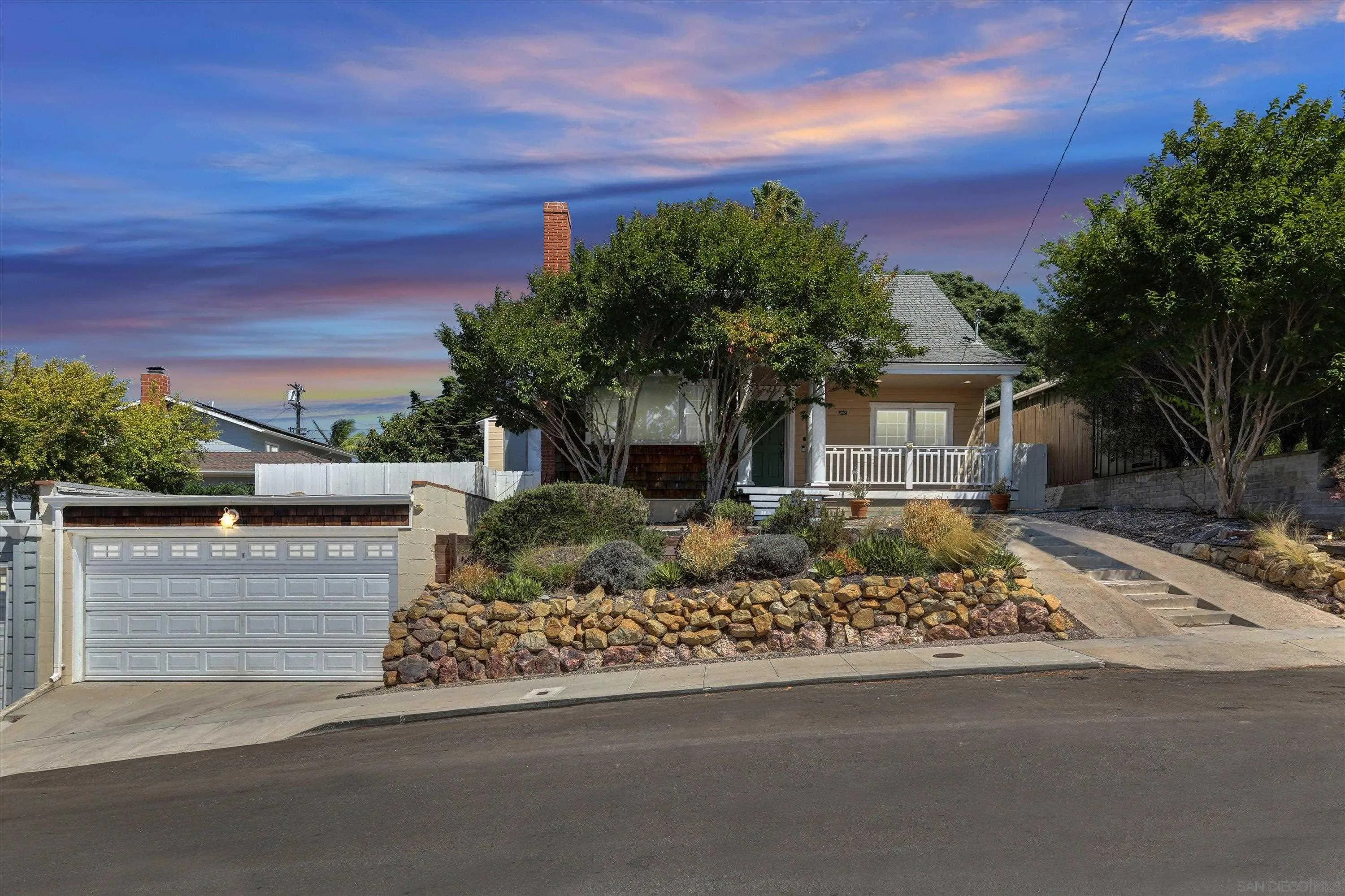
Loma Portal is the architectural heart of the peninsula — Spanish and Mediterranean homes from the 1920s and '30s line streets like Dumas and Elliott. Homes here average around 1,900 square feet on generous 5,600-square-foot lots, and the median single-family sale price sits near $1.7M — with character-driven premiums that comps alone don't explain. This is the pocket I know best; I've walked and sold many of these homes, and no two are alike. A remodeled kitchen or an ocean-view primary suite can swing value dramatically from one block to the next, and the market stays tight — homes typically sell right around asking. If you're buying in Loma Portal, you want an agent who knows which blocks carry the premium and why.
Roseville
Roseville sits on the bay side of the peninsula, developed in the late 1800s by Louis Rose on the steep hills near what is now Liberty Station. It's one of Point Loma's oldest residential areas, with deep Portuguese roots — the annual Festa do Espírito Santo at St. Agnes Catholic Church is a long-standing tradition. The housing is a mix of historic homes and updated bungalows, sharing the Roseville-Fleetridge area's roughly $1.9M median single-family price point, with easy access to Shelter Island's marinas and America's Cup Harbor. One honest note: this pocket sits under the airport flight path, and locals have embraced it as the "Point Loma Pause" — conversation stops, the plane passes, conversation resumes. Most residents stop noticing within a month.
The Point Loma Lifestyle
Beyond the residential pockets, the peninsula runs on the water: sailing out of Shelter Island, sunset gatherings at Sunset Cliffs, fresh seafood at the Point Loma Seafood Company, and dining and culture at Liberty Station, the former Naval Training Center. Point Loma Village serves locals and the yachting community, and downtown and the airport are both minutes away — close enough for convenience, separate enough to feel like its own town.
What to Know as a Buyer
Across the peninsula, detached home sales in 92106 are running around a $1.9M median with roughly a month of supply — a market that rewards preparation. But Point Loma's micro-neighborhoods each have their own rules, history, and value drivers — the kind of thing you only learn by walking them. I'm Corey Wyatt, a Compass real estate agent (CA license #01483827) with 20+ years selling San Diego. If the Point is on your radar, let's walk it together.